
Blog
Dry Hair vs. Damaged Hair
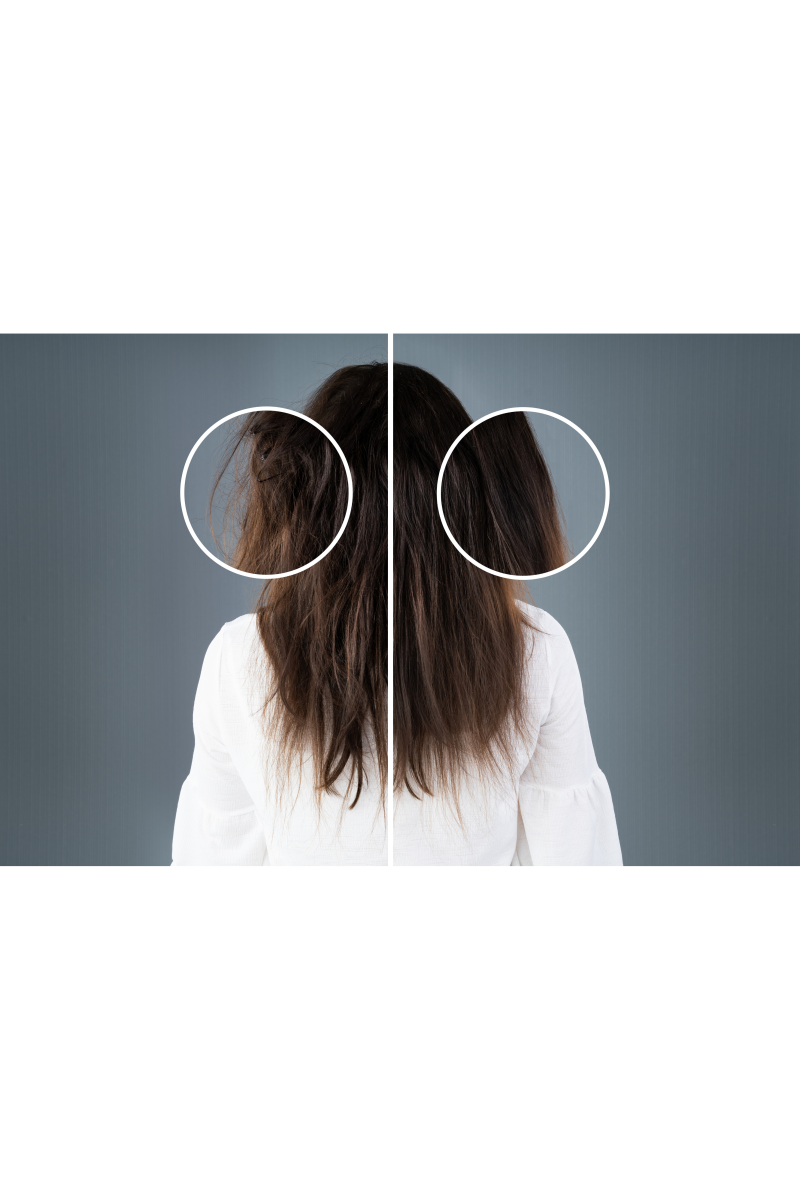
Understanding the Difference
In my experience as a professional hair stylist, I’ve come to realize that many of us often confuse dryness with damage when it comes to overall hair health. As a result, many are left trying to treat the symptom rather than the cause. Here are a few practical tips and guidelines to help you distinguish between dry hair and damaged hair, and to tailor your care routine accordingly.
What Each Condition Looks Like:
- Dry Hair – Lacking in moisture, tending to feel coarse, rough, and sometimes straw-like.
- Feel: Brittle, tangles easily, may resist curl formation.
- Common Causes: Environmental factors (sun, wind, humidity changes), over-washing, harsh sulfates, low humidity, insufficient hydration from within.
- Damaged Hair – Hair with structural issues that affect the cuticle and cortex, leading to visible breakage.
- Feel: Prone to split ends, frizz, dullness, and excessive shedding.
- Common Causes: Heat styling, chemical treatments (bleaching, perming, coloring), mechanical damage (rough towel drying, aggressive brushing), chemical processing, sun/UV exposure over time.
How to Tell Them Apart (Quick Diagnostics):
- The “Stretch Test” – Lightly stretch a strand between your fingers. Dry hair often stretches and then feels brittle or snaps quickly; damaged hair may stretch but break at the ends or in the midshaft.
- The Water Test (Moisture Response) – Place a few drops of water on a strand. Dry hair tends to repel water or absorb it slowly; well-moisturized hair soaks up water quickly. Damaged hair may show uneven absorption due to a compromised cuticle.
- Visual Cues – Dry hair: lack of shine, coarse texture, frizz when humidity rises. – Damaged hair: split ends, hair that breaks off easily, visible dullness or roughness along the shaft.
Root Causes and How They Differ
- Dry Hair Root Causes
- Insufficient moisture in the scalp environment
- Over-washing or using harsh cleansers
- Heat styling without protection
- Cosmetic additives and environmental dryness.
- Damaged Hair Root Causes
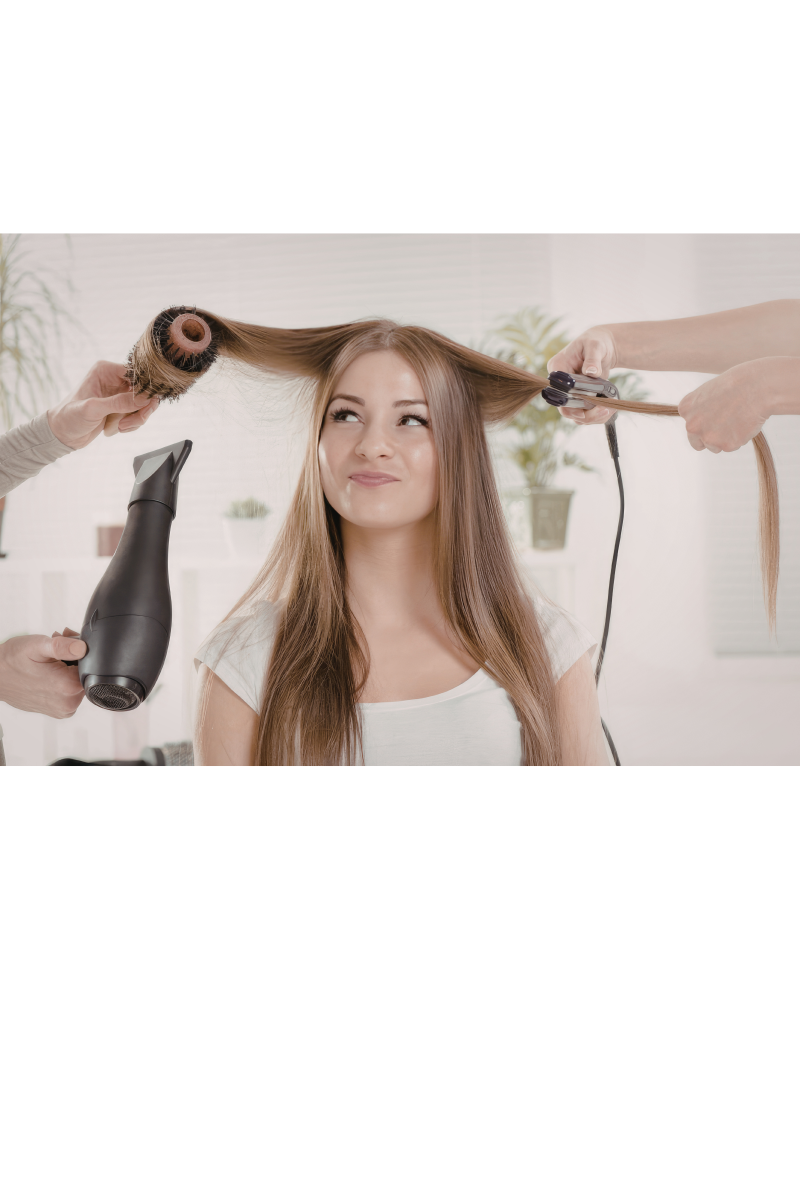
- Repeated heat exposure (flat irons, curling wands) without heat protection
- Chemical processing (bleach, ammonium-based dyes)
- Mechanical rough handling (towel rapping, combing when wet)
- Overprocessing or color corrections
Treatment Principles – Tailor Your Approach
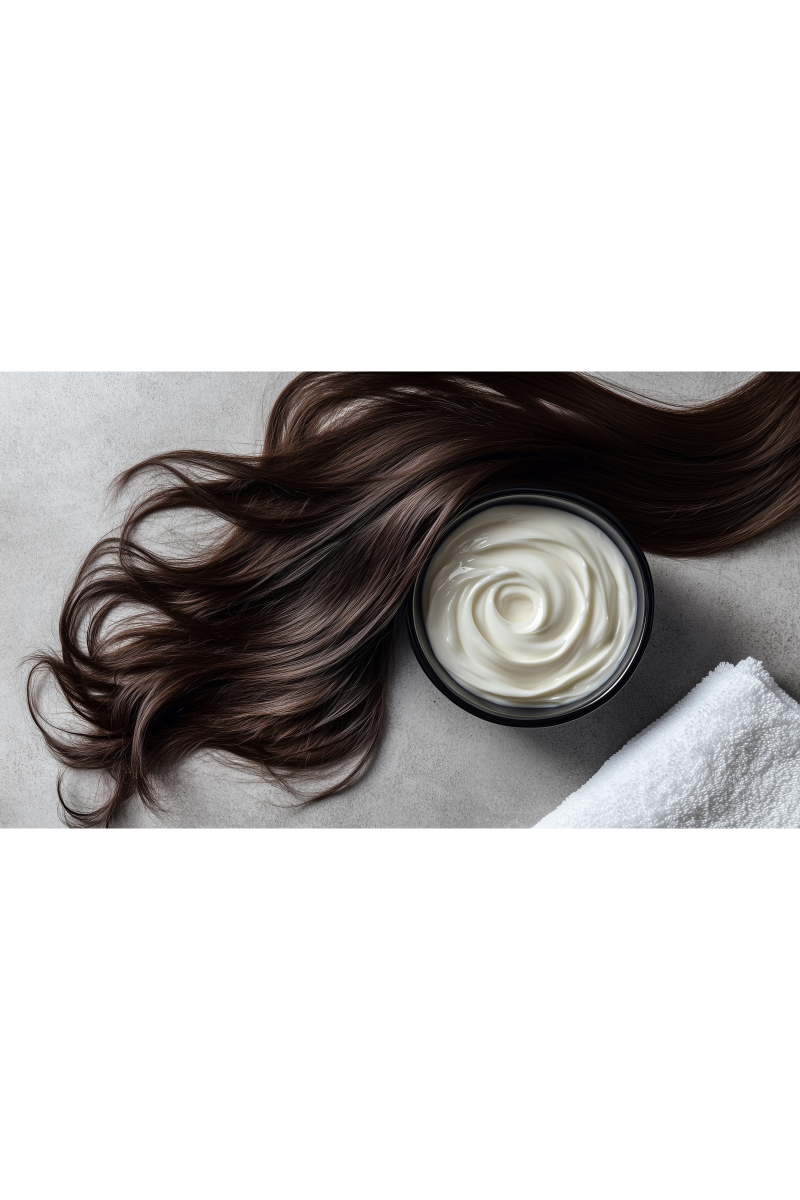
For Dry Hair – Focus on moisture. Use hydrating shampoos, silicone-free if you’re sensitive to buildup, followed by rich conditioners. Boost with oils and treatments, such as weekly deep conditioning, leave-in moisturizers, and natural oils (argan, jojoba, coconut in moderation). Use gentle styling techniques. Avoid high-heat, use heat protectants at low to medium settings, air-dry when possible.
For Damaged Hair – Focus on repairing and protection by keeping up with regular trims to remove broken ends, minimizing further damage with heat protection products, and consider bond-building or repair-focused formulas. When it comes to protein vs. moisture balance, damaged hair often benefits from proteins to rebuild the cortex, but avoid overdoing them; pair with moisture to maintain elasticity. Be gentle with your hair: detangle with a wide-tooth comb on damp hair, avoid rough towel drying, and reduce chemical processing frequency.
Maintenance Lifestyle Tips
- Hydration and Nutrition: drink water, eat a balanced diet rich in omega-3s, vitamins A, C, E, zinc, and biotin to support hair health.
- Sun and Environmental Protection: wear hats or UV-protective products to shield hair from sun and pollution.
- Sleep and Stress: your scalp health can reflect stress levels; prioritize sleep and stress management.
When to Seek Professional Help – When you begin to see persistent breakage despite at-home car, if you notice severe scalp issues (itching, redness, flaking), and if you have experienced extensive chemical processing or damage from incidents (bleach overuse, color corrections, hair relaxers). If you’re experiencing hair thinning or shedding beyond normal ranges.
Conclusion
Dry hair and damaged hair are distinct conditions with overlapping symptoms but different underlying causes and treatments. By accurately diagnosing which condition you’re dealing with, you can tailor your routine to restore moisture, integrity, and shine to your locks.
If you’re local to the central Arkansas area and you’d like a personalized plan based on your hair type and lifestyle, I’m here to help—click the link below to schedule a complimentary consultation where we can develop a healthy hair regimen just for you and your hair goals.
If you found this article helpful, consider sharing it with friends who might be battling dry or damaged hair.
Schedule a consultation